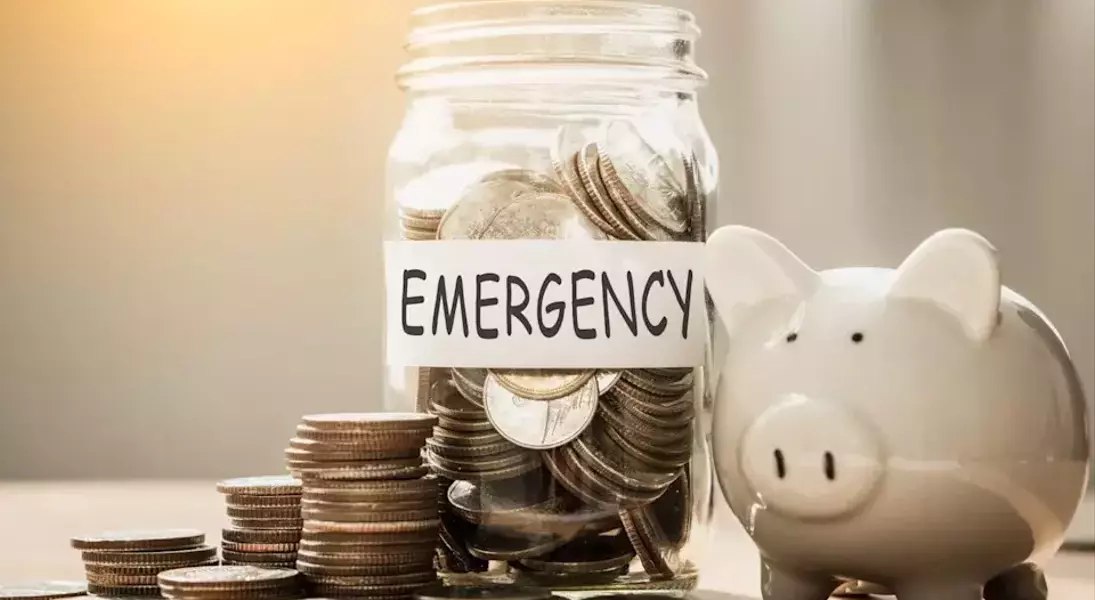
A recent financial assessment reveals a stark divergence in Americans' preparedness for unexpected expenses. While a significant portion of the population can manage a small, immediate financial shock, a much smaller number are adequately positioned to handle the substantial costs associated with retirement. This discrepancy underscores a critical challenge in personal finance, where short-term liquidity often masks a deeper, long-term savings deficit, further exacerbated by economic pressures such as declining saving rates and inflationary trends.
The Dual Landscape of American Financial Preparedness
In July 2026, financial insights from 24/7 Wall St., drawing on reports from the Federal Reserve and the Bureau of Labor Statistics, presented a compelling, albeit concerning, picture of American household financial stability. The Federal Reserve's 2026 report on 2025 household well-being indicated that 63% of American adults could readily cover an unforeseen 0 expense. This figure, though seemingly positive, represents a low threshold for financial resilience, primarily measuring immediate access to funds rather than sustained financial security.
However, the outlook for retirement preparedness tells a different story. According to data from the Bureau of Labor Statistics, typical monthly spending for retired households hovers around ,000, with housing, healthcare, and food constituting the largest portions. To comfortably cover these essential expenses from savings, an individual would require significantly more than the 0 emergency buffer. For instance, the median 401(k) balance, reported by Vanguard in its 2026 preview of "How America Saves," stood at a modest ,115. Utilizing the conventional 4% withdrawal guideline, this balance generates only about 7 per month before taxes, a sum far insufficient to meet even basic retirement living costs.
The personal saving rate further highlights this vulnerability. It declined from 6.2% two years prior to 3.9% in the first quarter of 2026. This reduction occurred despite a rise in per capita disposable income to ,391, indicating that a smaller proportion of increased earnings is being allocated to savings. When adjusted for inflation, real average hourly earnings have also seen a slight dip, suggesting a decrease in purchasing power, which directly impacts the ability of households to build a robust financial cushion for the future. Stress indicators, such as credit card delinquency rates and unemployment figures, remain within a manageable range, yet consumer confidence, as measured by the University of Michigan Consumer Sentiment Index, shows a weakening trend. This mixed economic signal underscores the underlying fragility of long-term financial planning for many Americans.
The contrast between being able to handle a minor emergency and securing a stable retirement reveals a significant gap in financial planning for many Americans. The short-term focus on immediate liquidity often overshadows the complex, long-term commitment required for a financially secure retirement. This situation calls for a greater emphasis on comprehensive financial education and strategic savings planning to bridge this growing divide and ensure a more stable future for all.